
Rain in Florida doesn’t just pass through. It sits in the ground, soaks into crawl spaces, and finds its way into places it shouldn’t. For mobile homes built closer to the ground, that moisture has a direct path to the subfloor.
By the time most homeowners notice a problem, the damage has already been building for months.
Why Mobile Homes Sit Closer to Trouble
Mobile homes are built on a raised foundation with open space underneath. That space is supposed to stay dry and ventilated. During Florida’s rainy season, it rarely does.
Heavy rainfall raises the water table and saturates the soil around the home. Humidity climbs into the crawl space and stays there long after the rain stops. Wood subflooring absorbs that moisture slowly, and it doesn’t dry out as fast as it takes it in.
Where the Moisture Actually Gets In
Most subfloor moisture problems don’t come from a single leak. They come from a combination of smaller entry points working together over an entire season.
Skirting around the base of the home can trap humid air instead of letting it escape. Gaps in the vapor barrier, or a vapor barrier that was never installed correctly, let ground moisture rise straight into the floor joists. Plumbing connections under the home are another common source, especially after they shift slightly during a storm.
Once water finds a way in, it spreads. Subfloor material doesn’t stay isolated to one spot for long.
Signs the Rainy Season Is Already Affecting Your Floor
Some signs are easy to miss until they’re hard to ignore. A floor that feels soft or springy near the kitchen or bathroom is one of the first indicators. So is a faint musty smell that lingers no matter how often the home is cleaned.
Doors and cabinets that start sticking can point to subtle shifting in the structure below. Visible sagging, dips, or uneven flooring usually means moisture damage has been present for a while.
If any of these show up during or after a heavy rain stretch, it’s worth having the subfloor checked before the next storm rolls through.
The Role of a Vapor Barrier
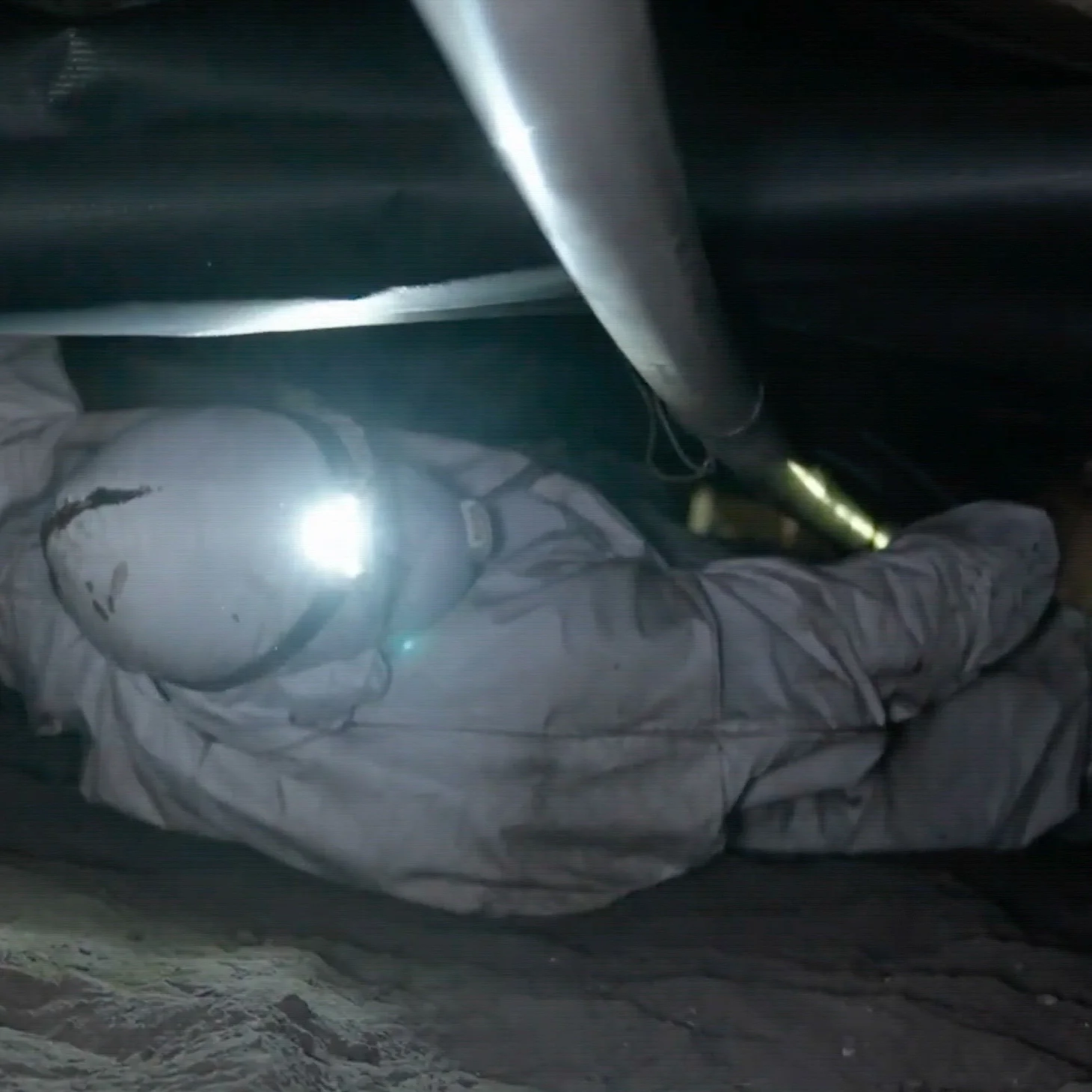
A correctly installed vapor barrier is one of the most effective defenses against rainy season subfloor damage. It creates a sealed layer between the ground and the underside of the home, blocking rising moisture before it ever reaches the wood.
Many older mobile homes have a vapor barrier that’s torn, sagging, or missing in sections entirely. Even small gaps reduce how well it works. Freedom Subfloor Division installs and repairs vapor barriers built to handle Florida’s humidity, not just block out rain.
Homeowners who want more detail on how this process works can review answers to common vapor barrier questions before scheduling anything.
What Happens When the Damage Goes Unaddressed
Subfloor damage doesn’t stay the same size. Wood that absorbs moisture repeatedly during the rainy season weakens a little more with each cycle.
What starts as a soft spot near a doorway can spread into structural sagging across an entire room. Repairs that could have been straightforward become more involved the longer the moisture sits.
This is also when mold becomes a real concern. Once it takes hold in subfloor material, it tends to keep spreading until the source of moisture is addressed directly.
Protecting Your Subfloor Before the Next Storm
A few habits make a real difference during Florida’s wettest months. Keeping crawl space vents clear allows air to circulate instead of trapping humidity underneath the home.
Checking skirting for gaps or damage after major storms catches small problems before they grow. Watching for early warning signs inside the home, like soft spots or sticking doors, gives homeowners a chance to act before the damage spreads further.
For homes that haven’t had a vapor barrier inspection in several years, the start of rainy season is a reasonable time to have one done.
When It’s Time to Call a Professional
Subfloor damage caused by rain doesn’t always show itself the same way twice. A musty smell in one home might mean something different in another, depending on how the home was built and where moisture is collecting.
The team at Freedom Subfloor Division works on mobile home flooring throughout Central and West Florida, including homes that have been through multiple rainy seasons without an inspection. Every repair starts with identifying exactly where moisture is entering, not just patching the symptoms.
Homeowners can browse past subfloor and flooring projects to see the kind of work involved, or reach out directly to schedule an inspection before the next round of storms moves through.