
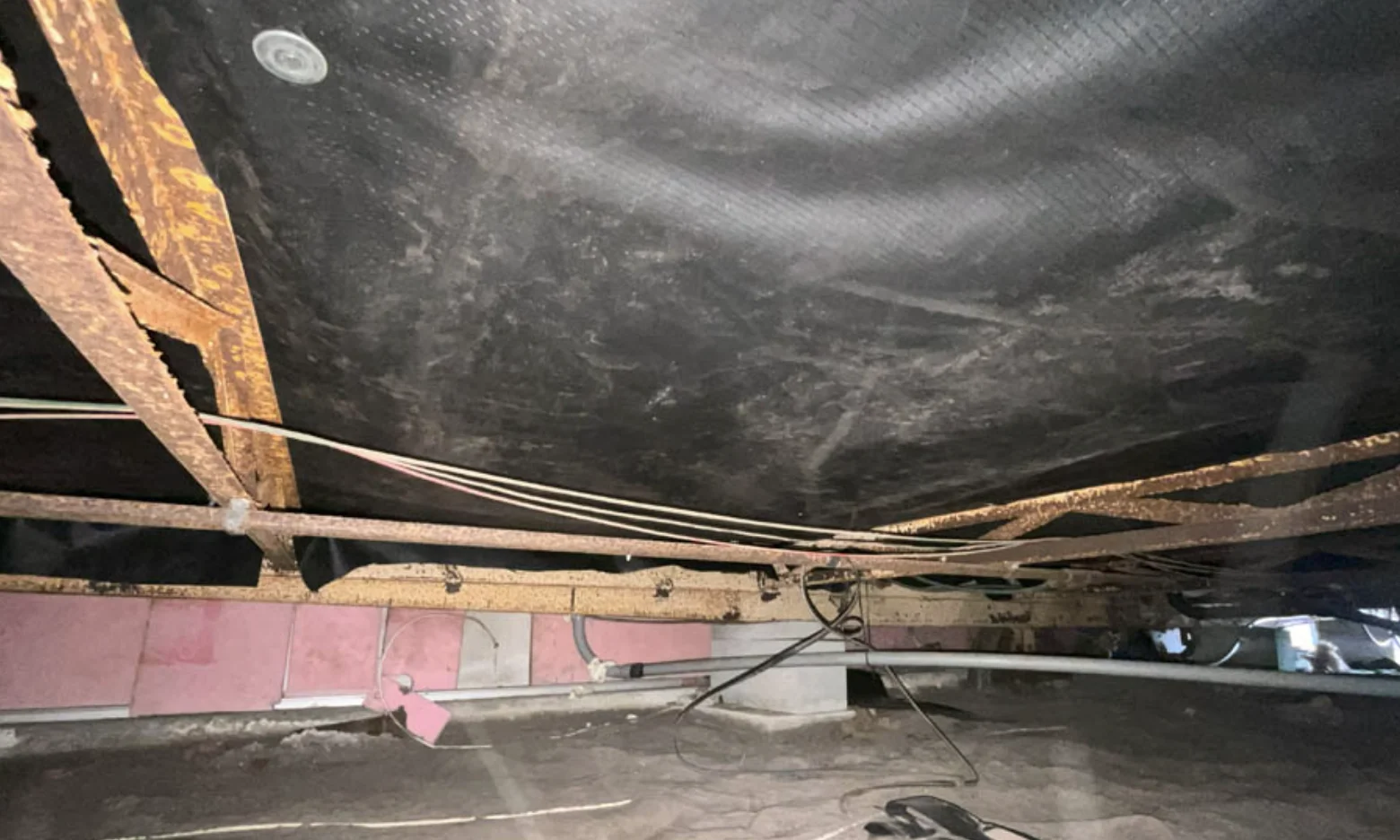
Plenty of mobile homes in Port Charlotte sit quiet for a good stretch of the year while their owners are up north. The home looks the same when they return, but the closed-up space underneath has been doing something they never see. Vapor barrier installation in Port Charlotte matters most for exactly these homes, because a sealed, unused home traps humidity in the belly where it can work on the floor undisturbed.
Moisture doesn’t take a season off just because nobody is home. If anything, a closed home gives it a quieter place to build.
Why Vapor Barrier Installation in Port Charlotte Protects Seasonal Homes
The barrier under a manufactured home is a sheet that separates the damp ground from the floor system above it. When it’s intact, it holds back the moisture the soil gives off day and night.
When it tears, sags, or was never sound to begin with, that ground moisture drifts straight up into the insulation and decking. In a home sitting empty with the air off, there’s nothing pulling that humidity back down, so it lingers and does its damage slowly.
What Florida Storms Add to the Problem
Port Charlotte takes its share of heavy rain and storm weather, and that water soaks the ground the home sits on. A saturated lot pushes even more moisture into the belly than usual.
For a home closed up during storm season, that combination is hard on the floor. Our look at the rainy season and your subfloor explains why this stretch of the year does the most quiet damage.
The Signs You Come Home To
Returning owners often notice the smell first, a damp or musty odor that wasn’t there when they left. That smell is usually moisture and mildew that built up underneath while the home sat closed.
Soft spots in the floor, higher humidity indoors, or a room that just feels damp all point the same direction. When a few of these show up together, the belly has been holding moisture it shouldn’t.
Why the Barrier Comes First
You can replace decking and lay new flooring, but if the barrier below stays torn, the new floor faces the same moisture that ruined the last one. Fixing the barrier is what makes the rest of the work last.
That’s why a proper repair treats the barrier as the foundation of the job, not an afterthought. When the underside is already open, it’s also the moment to check the underbelly and its wrap as a whole.
How the Work Is Done
It starts underneath, with an inspection of the barrier, the belly wrap, and the decking above them for tears, sagging, and trapped moisture. Any wet insulation is dealt with so nothing damp gets sealed back in.
From there the barrier is repaired or replaced and the wrap closed up properly, leaving the belly protected from the ground moisture that fed the problem. You can see this kind of work on our completed projects.
Protecting the Floor Above
A sound barrier does more than clear a musty smell. It protects the decking, which protects the flooring you walk on, which protects the value of a home you may only use part of the year.
If the floor has already softened, the barrier work pairs naturally with subfloor repair so both the cause and the damage get handled in one visit.
Get Your Port Charlotte Home Checked
If your home sits empty part of the year, the best time to check the barrier is before the next long absence, not after you notice the smell. A quick look now can save a floor later.
We handle vapor barrier and flooring work in Port Charlotte and across Charlotte County. Reach out through our contact page to schedule a free inspection.