
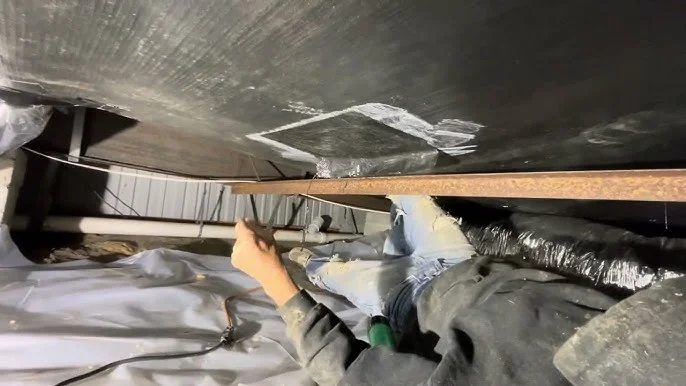
If you have ever walked outside, looked under your mobile home, and seen loose plastic, hanging insulation, or open gaps, you are not alone. Many Florida mobile home owners do not think about the underbelly until something looks obviously wrong. By the time you are searching for mobile home underbelly repair florida, you are probably worried about moisture, critters, or damage to your floors.
The underbelly is not just there to “hide the ugly stuff.” It helps protect your subfloor, insulation, plumbing, and HVAC lines from Florida’s heat, humidity, and storms. When that layer is torn or falling down, the rest of your home is left exposed. At Freedom Subfloor Division, we help homeowners across Florida repair and rebuild their underbellies so the home stays dry, protected, and comfortable. You can learn more about who we are on our About page or start from our Home page.
What your mobile home underbelly actually does
The underbelly is the barrier material attached to the bottom of your mobile home. Behind it, you will usually find insulation, plumbing lines, and parts of your heating and cooling system. In Florida, this space takes a lot of abuse from moisture, wind, and pests.
A healthy underbelly helps keep insulation in place, protects pipes from temperature swings, and works with your Vapor Barrier to reduce moisture reaching the subfloor. When that system is intact, you are less likely to deal with cold floors, musty smells, and water damage. When it fails, problems tend to show up inside the home sooner or later.
Common signs your underbelly needs repair
You do not have to be an expert to know when your underbelly is in trouble. Most of the warning signs are obvious once you take a quick look underneath.
Torn or hanging underbelly material
If you see large rips, loose sections, or underbelly fabric hanging down, the barrier is no longer doing its job. Open areas allow moisture, dirt, and pests to move freely into the space under your home. Over time, that can lead to insulation falling out and subfloor damage.
Insulation on the ground
Insulation belongs up against the floor, not scattered across the ground. If you can see clumps of insulation under your home, or if sections are sagging inside the underbelly, it is a strong sign that repairs are needed. Missing insulation makes the home less comfortable and can raise energy bills.
Signs of animals or pests
Scratching noises, nests, or droppings around the underbelly are red flags. Once animals find a weakness in the material, they often make the damage worse as they come and go. That can leave large open gaps and shredded insulation behind.
Soft spots and musty odors inside the home
If the underbelly has been damaged for a while, you may also start to notice soft spots in the floor, uneven temperatures, or persistent musty smells inside. At that point, mobile home underbelly repair florida may need to be paired with subfloor or flooring work, which we handle through our Mobile Home Flooring services.
Why underbelly problems lead to floor and subfloor issues
Florida is not kind to exposed building materials. When the underbelly is open, moisture and humid air can reach your subfloor every day. Over time, that constant exposure can cause wood to swell, soften, and eventually break down.
Water from plumbing leaks or heavy storms can also travel into open underbelly sections and sit there without drying properly. That trapped moisture creates the perfect environment for rot, mold, and long-term damage. If you have already dealt with water damaged floors or bathroom issues, you know how quickly those problems add up. Our team regularly ties underbelly repair together with water damage and Bathroom Remodeling projects when floors around tubs, toilets, or showers have been affected.
How professional mobile home underbelly repair works in Florida
Every home is different, but a good repair follows a clear process. The goal is not just to “patch the hole” but to restore protection under the entire home or the affected section.
Step 1: Inspection and honest assessment
We start with a detailed walk-around and, when possible, a crawl under the home. During this visit, the technician looks for tears, missing sections, loose insulation, and signs of water or pest damage. We also pay attention to how the floors feel inside and whether there are soft spots or temperature swings.
By the end of the inspection, you should understand what is damaged, how far the issues extend, and whether we are dealing with only underbelly repair or a mix of underbelly, vapor barrier, and subfloor work. We explain this in simple language so you know exactly what you are saying yes to.
Step 2: Removing damaged materials and cleaning the area
Once you approve the plan, we remove any underbelly sections that are too damaged to reuse. Loose insulation is taken down, and debris is cleared from the immediate work area. If there are signs of pests, we may advise you to pair the repair with pest control so the problem does not return.
This stage is all about getting back to a clean, stable base. It is hard to build a long-lasting repair over torn fabric, soaked insulation, and clutter.
Step 3: Repairing insulation, vapor barrier, and supports
With the area open, we reinstall or replace insulation so it sits properly against the floor. If moisture has impacted the vapor barrier or subfloor, we address those issues as needed. You can read more about how we handle moisture control on our Vapor Barrier page.
In some cases, we also recommend subfloor repair or replacement in specific areas, especially if water has been present for a long time. That is where our flooring and structural experience comes in, backed by the work we show on our Projects page.
Step 4: Installing new underbelly material
Once everything behind the scenes is repaired, we install new underbelly material to close and protect the space. It is attached securely so it can resist wind, weather, and the normal movement of the home. The goal is a clean, tight barrier that looks intentional, not a patchwork of temporary fixes.
When we are finished, the underside of your home should look tidy and protected, with insulation held firmly in place and no obvious openings.
Where we work in Florida
Freedom Subfloor Division serves mobile home owners throughout the greater Tampa Bay area and beyond. We regularly work in communities across Tampa, Clearwater, Largo, Dunedin, and Wesley Chapel, as well as across Hillsborough County, Pinellas County, and the rest of Florida.
If you are not sure whether we cover your area, you can always reach out through our Contact page. We also share real job photos and stories on our Projects and Blog pages so you can see the kind of work we do before you call.
Why homeowners choose Freedom Subfloor Division
Mobile home underbelly repair is not the kind of project most people want to tackle on their own. It is dirty, cramped, and easy to do halfway. When you are trusting someone to work under your home, you want a team that does this kind of work every week, not once in a while.
Freedom Subfloor Division is a licensed and insured Florida mobile home repair company focused on under-home systems, flooring, and subfloors. Underbelly repair ties directly into what we already do best. Our crews understand how Florida’s moisture, soil, and weather affect mobile homes over time. We are careful, respectful, and serious about leaving things better than we found them.
You can learn more about our background and approach on the About page, or see how underbelly work fits with our other Services.
Frequently Asked Questions (FAQ)
Do I really need to repair the underbelly if my floors still feel fine?
It is better to think of underbelly repair as prevention, not just reaction. If the underbelly is torn or hanging, moisture and pests can start causing damage even if you do not feel it yet. Taking care of mobile home underbelly repair florida early can help you avoid more expensive subfloor and flooring repairs later.
Can you fix my underbelly if I already have soft spots in the floor?
Yes. In those cases, we often recommend a combination of subfloor repair and underbelly work. Fixing only the floor from the top or only the underbelly from the bottom is rarely enough once soft spots appear. Our Mobile Home Flooring services are designed to work together with underbelly and vapor barrier repairs.
How long does mobile home underbelly repair usually take?
The timeline depends on how much of the underbelly is damaged and whether we are also addressing insulation, vapor barrier, or subfloor issues. Some smaller repairs can be completed in a day, while larger projects take longer. After an inspection, we will give you a clear, realistic timeline.
Will I have to move out while you work under my home?
Most homeowners are able to stay in their homes while we complete underbelly repairs. We work from the outside and underneath, so the main impact is occasional noise or vibration. If we also need to open small areas from the inside, we will explain that ahead of time so there are no surprises.
Protect your home with mobile home underbelly repair in Florida
A damaged underbelly might not be something you see every day, but it affects how your home feels every single day. Left alone, small tears and missing insulation can turn into soft floors, musty smells, and higher energy bills. Mobile home underbelly repair florida is about protecting the home you already live in, so it stays comfortable, solid, and dry.
If you have noticed torn underbelly material, insulation on the ground, or signs of moisture and pests under your home, this is a good time to get it checked. Freedom Subfloor Division is here to take a closer look and give you a straightforward plan to fix it. When you are ready, reach out through our Contact page or start from our Home page to learn more. Schedule your free mobile home underbelly inspection with Freedom Subfloor Division and let us help you protect your home from the ground up.