
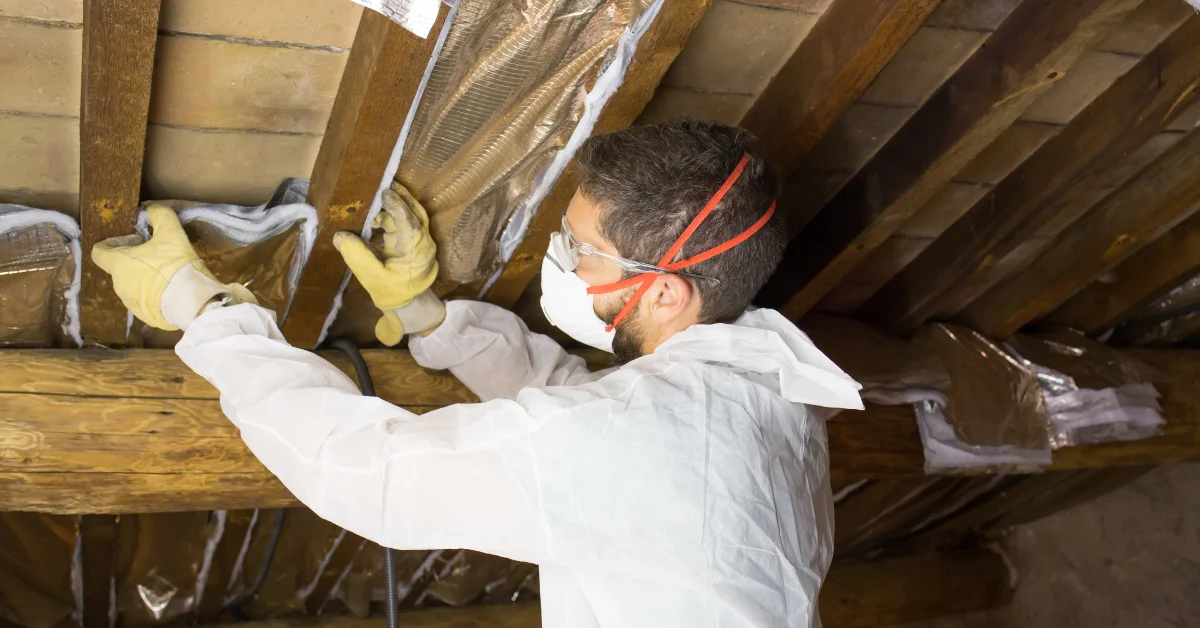
Living near the Gulf shapes how people think about their homes, and not always in ways that hold up. When it comes to the barrier under a mobile home, a lot of well-meaning assumptions quietly let moisture do damage. Vapor barrier installation in Tarpon Springs is worth understanding clearly, because the things homeowners believe about it often decide whether a floor lasts or fails.
Here are the ideas we run into most, and what’s actually going on underneath.
What Vapor Barrier Installation in Tarpon Springs Actually Prevents
Before the myths, it helps to know the job. The barrier is a sheet that separates the damp, salty ground from the floor system above it, holding that moisture back before it can reach the decking.
Near the water, that ground stays humid nearly year round, and low lots hold moisture long after the surface looks dry. The barrier is the one thing standing between all of that and your floor.
The Idea That It’s Only About Smell
A musty odor is the sign people notice, so they treat the barrier as an air-quality fix. Clear the smell and the job feels done.
The smell is only the symptom, though. The same moisture carrying that odor is softening the decking, so by the time you’re bothered by the smell, the floor is often already at work failing.
The Idea That Waterfront Homes Stay Sealed
People assume a closed-up home keeps moisture out. Along the coast, the opposite tends to be true, since salt air and Gulf humidity find their way into the belly whether the home is occupied or not.
Salt-laden air is also harder on materials than ordinary humidity, so waterfront homes often need the barrier more than inland ones, not less.
The Idea That New Flooring Fixes It
When the floor feels off, the instinct is to replace what you can see. New flooring over a failing barrier looks like a solution and lasts about a season.
The moisture below hasn’t gone anywhere, so the new floor faces exactly what ruined the last one. Homeowners who go this route often end up needing soft floor repair anyway, on top of the flooring they just paid for.
The Idea That You’d Know If It Failed
A torn barrier doesn’t announce itself. It sags or splits out of sight, and the damage builds slowly enough that most people never catch it until a soft spot appears inside.
By then the belly has usually been damp for a long time. Our look at the rainy season and your subfloor covers how quietly that moisture builds through the wettest months.
How We Actually Handle It
The work starts underneath, with a look at the barrier, the belly wrap, and the decking for tears, sagging, and trapped moisture. Any wet insulation comes out so nothing damp gets sealed back in.
From there the barrier is repaired or replaced and the wrap closed up properly, leaving the belly protected from the salt air and ground moisture that fed the problem. Since the underside is already open, it’s the right moment to check the underbelly and its wrap as a whole. You can see this kind of work on our completed projects.
Worth Checking Before It Costs a Floor
If your home sits near the water, the barrier underneath is working every day, and it’s worth knowing whether it’s still holding. A quick look now can save a floor later.
We handle vapor barrier and flooring work in Tarpon Springs and along the Pinellas coast. Reach out through our contact page to schedule a free inspection.